Gel X vs Acrylic Nails: Which Is Better for Phoenix’s Dry Climate?
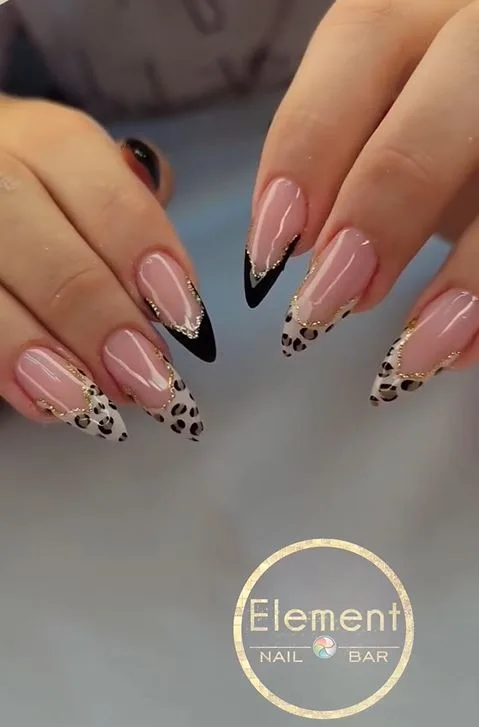
Quick Answer
For most Phoenix residents, Gel X tends to perform better in our dry desert climate. The flexible gel formula is less prone to cracking when humidity drops below 20% (which happens constantly here), and it doesn’t dehydrate your natural nails as aggressively as acrylic monomer can. That said, acrylics still have their place—especially if you need maximum strength or prefer dramatic length. The “right” choice depends on your nail condition, lifestyle, and how much maintenance you’re willing to commit to.
At-a-Glance: Pricing & Time Comparison
| Service | Average Price (Downtown Phoenix) | Application Time | Fill Frequency | Recommended For |
|---|---|---|---|---|
| Gel X Full Set | $65–$95 | 45–75 min | Every 3–4 weeks | Flexibility, natural look, damaged nails |
| Acrylic Full Set | $45–$75 | 60–90 min | Every 2–3 weeks | Maximum durability, length, budget-conscious |
| Gel X Fill | $45–$65 | 30–45 min | — | — |
| Acrylic Fill | $30–$50 | 45–60 min | — | — |
| Gel X Removal | $15–$25 | 15–20 min | — | — |
| Acrylic Removal | $20–$30 | 20–30 min | — | — |
Prices reflect downtown Phoenix salon averages as of 2024–2025. Custom nail art, extra length, and specialty designs cost additional.
What Actually Makes Phoenix Different
Before diving into the Gel X versus acrylic debate, let’s talk about what makes our climate so brutal on nails—because this context matters more than most articles acknowledge.
Phoenix averages 8% relative humidity during dry spells. For reference, the Sahara Desert averages around 25%. Your skin knows this. Your cuticles definitely know this. And your nail enhancements? They’re dealing with conditions that most product formulations weren’t designed for.
Here’s what low humidity does to nail products:
- Acrylics cure faster than intended, which can create brittleness
- Natural nails lose moisture rapidly, making adhesion tricky
- Product lifting increases because the nail bed contracts slightly in dry conditions
- Cuticle damage accelerates, creating entry points for fungal issues
Add in 115°F summer days, chlorinated pools everywhere, and the temperature shock of walking from air-conditioned buildings into desert heat—your nails experience stress most coastal clients never deal with.
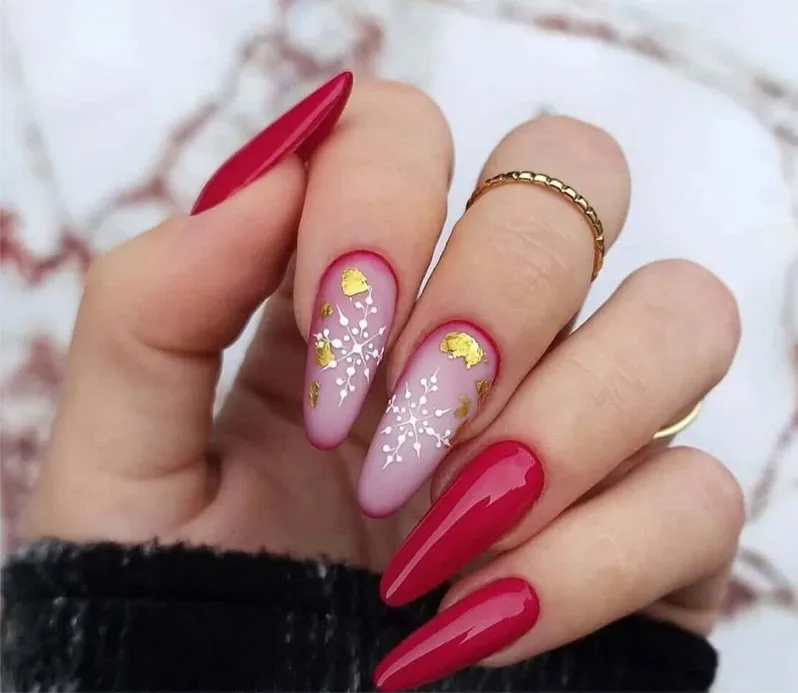
Gel X: The Rundown
Gel X (originally developed by Aprés Nail) uses pre-shaped soft gel tips that bond to your natural nail with gel adhesive. Unlike traditional hard gel or acrylics, these extensions are applied without monomer fumes and cure under LED/UV light.
Why Gel X Works Well in Dry Climates
Flexibility is the big one. Gel X tips have some give to them—they bend slightly under pressure instead of snapping. In Phoenix’s dry air, this matters because your natural nails become more brittle. When your natural nail flexes, a rigid enhancement (like thick acrylic) can pop off or crack. Gel X moves with you.
Lower dehydration impact. Acrylic application involves monomer liquid, which is essentially a solvent that bonds the powder. This process pulls moisture from your nail plate. In humid climates, nails recover quickly. In Phoenix? That moisture loss compounds with environmental dryness, sometimes leading to peeling and thinning over time.
Soak-off removal. Gel X dissolves in acetone relatively easily. This means less drilling, less mechanical damage during removal. For nails already stressed by desert conditions, gentler removal is a genuine advantage.
Where Gel X Falls Short Here
Heat exposure can weaken adhesion. If you’re leaving your car in the sun (who doesn’t in Phoenix?) or spending extended time outdoors in summer, the gel adhesive softens slightly in extreme heat. I’ve seen clients come in with lifted tips after long afternoons at Tempe Town Lake or hiking Camelback.
Less structural strength. Gel X tips can bend under pressure—great for preventing breakage, but not ideal if you work with your hands or want very long extensions. They’re more likely to pop off intact than break, but popping off still means a trip back to the salon.
Pool chlorine is rough on them. Gel X holds up decently, but frequent swimmers notice faster wear. The constant wet-dry cycle combined with chemical exposure degrades the gel bond. Acrylics actually handle this slightly better.
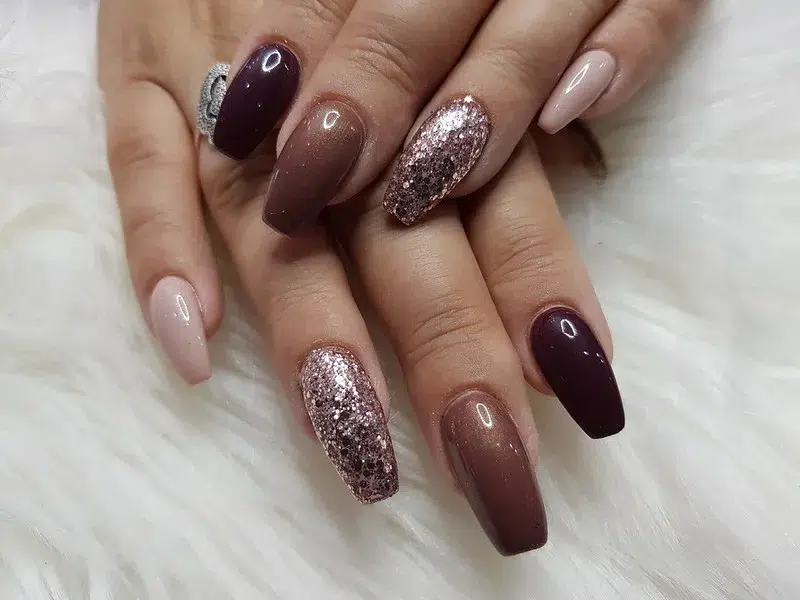
Acrylic Nails: The Rundown
Acrylics have been the industry standard for decades. Liquid monomer mixed with polymer powder creates a moldable paste that hardens through chemical reaction (not UV light). The result is a hard, durable enhancement that can be sculpted to any shape or length.
Why Some Phoenix Clients Still Prefer Acrylics
Unmatched durability. If you need nails that can handle serious wear—manual work, constant typing, active lifestyle—acrylics are tougher. They don’t pop off easily, and when they do damage, they typically crack rather than detach completely (which can actually protect your natural nail underneath).
Better for extreme length. Want stiletto nails or dramatic coffin shapes that extend well past your fingertip? Acrylics provide the structural integrity to support lengths that would be too fragile in Gel X.
Lower upfront cost. Acrylic full sets generally run $15–$25 cheaper than Gel X in most Phoenix salons. If budget matters and you’re okay with the maintenance schedule, that adds up over a year.
Handles water exposure better. Oddly enough, despite being rigid, properly applied acrylics resist the wet-dry cycling that comes with swimming or frequent handwashing better than Gel X. The bond is more mechanical than chemical once cured.
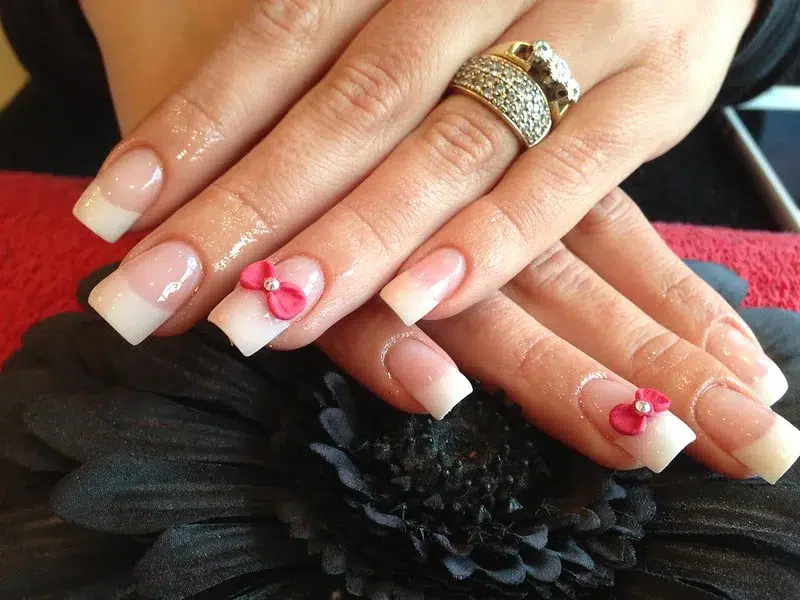
Where Acrylics Struggle in Phoenix
Brittleness in low humidity. This is the primary concern. Acrylic that cures in very dry conditions (or that’s exposed to dry air for weeks) can become glass-like. Instead of flexing under impact, it shatters. I’ve seen acrylic nails crack clean in half from something as minor as catching on a seat belt.
Natural nail damage over time. The monomer-polymer reaction generates heat and pulls moisture from your nail plate. Repeated applications without breaks can leave natural nails thin, peeling, and weak. This effect is more pronounced in dry climates where nails can’t naturally rehydrate.
More frequent fills needed. Because acrylic is rigid, visible lifting at the cuticle line happens faster than with Gel X. Most Phoenix clients need fills every 2–3 weeks versus 3–4 weeks for Gel X.
Fumes and sensitivity. Monomer has a strong chemical smell and can cause reactions in sensitive individuals. This isn’t Phoenix-specific, but it’s worth mentioning since Gel X offers a nearly odorless alternative.
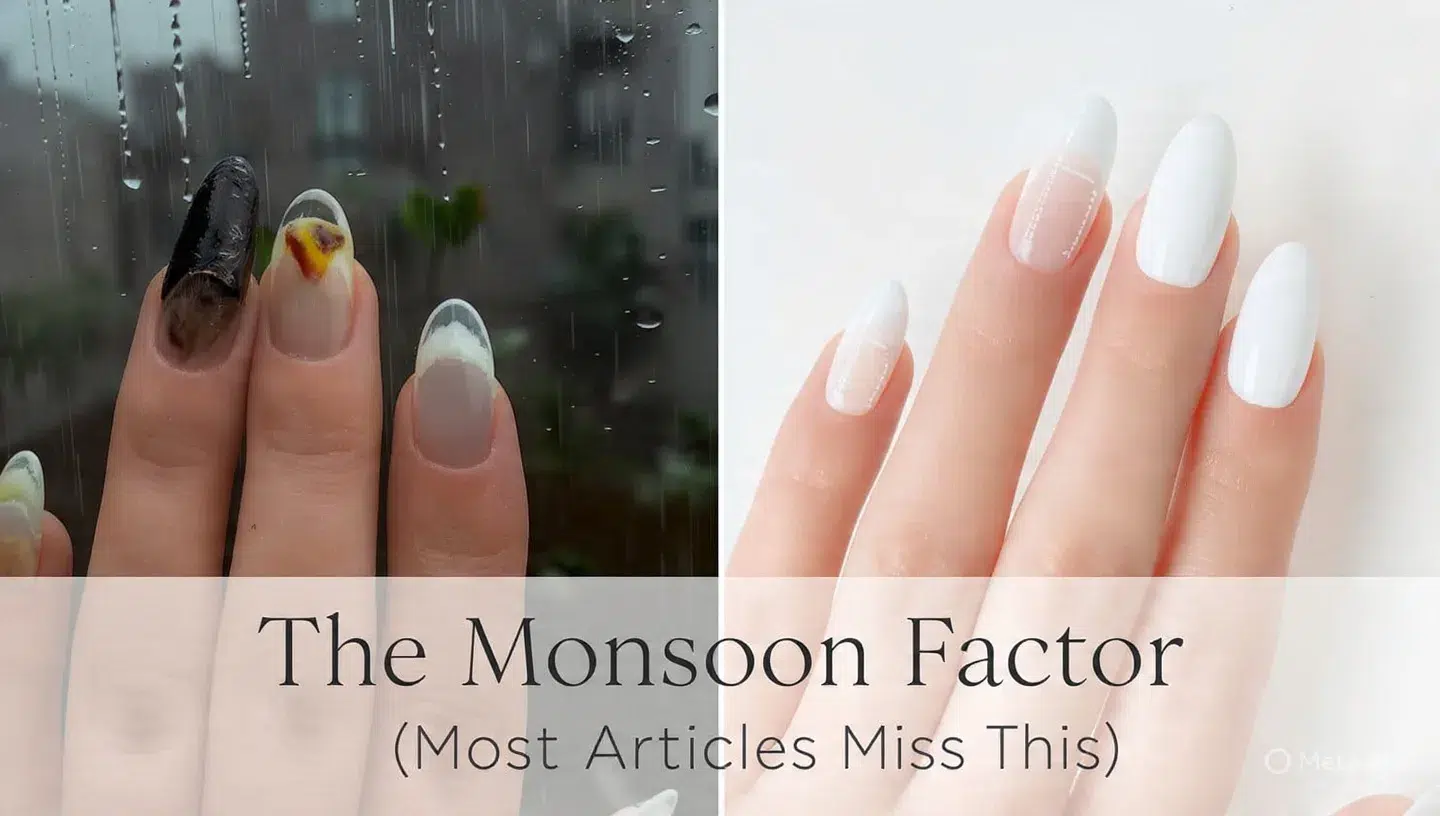
The Monsoon Factor (Most Articles Miss This)
Phoenix isn’t uniformly dry year-round. From July through September, monsoon season brings humidity spikes—sometimes jumping from 15% to 60% in a single afternoon. These rapid humidity swings create their own problems.
For acrylics: The sudden moisture influx can cause microscopic expansion in both your natural nail and the acrylic overlay. If they expand at different rates (they do), you get lifting. Monsoon season is when I see the most acrylic lift complaints.
For Gel X: The flexible gel handles humidity swings better, but the adhesive bond can be affected. High humidity during application causes issues—gel adhesive doesn’t cure properly when moisture is present. If you’re getting Gel X applied during a monsoon storm, make sure your nail tech is working in a climate-controlled environment and thoroughly dehydrating your nail plate.

Lifestyle Considerations Specific to Phoenix
If You’re a Pool Person
Nearly everyone in Phoenix has access to a pool. Chlorine degrades both enhancement types, but here’s the nuance:
- Gel X: Chlorine penetrates the gel bond faster, causing premature lifting. Wearing gloves isn’t practical for swimming, but keeping pool time under an hour and rinsing hands immediately after helps.
- Acrylics: More resistant to chlorine penetration, but the wet-dry cycling creates thermal stress in the rigid material. Still holds up slightly better overall for serious swimmers.
Recommendation for frequent swimmers: Acrylics with a gel topcoat, or consider dip powder as a third option.
If You Work Outdoors
Anyone in landscaping, construction, or outdoor hospitality in Phoenix needs maximum durability. Gel X will pop off under heavy use. Acrylics are the practical choice here—just expect to do more maintenance to prevent brittleness.
If You Have Fragile Natural Nails
Phoenix’s dry air often means residents already have weaker, more brittle natural nails before enhancements enter the picture. If your nails peel, split, or bend easily:
- Gel X is gentler during application and removal, making it better for damaged nails
- Acrylics provide a protective shell, but the removal process can make underlying damage worse
Most nail techs (including us at our downtown location) recommend Gel X for clients trying to grow out damage.
If You’re Always In and Out of AC
The temperature swing from 110°F outdoors to 72°F indoors creates thermal stress on enhancements. Gel X handles this better because it’s flexible. Acrylics can develop micro-cracks from repeated expansion and contraction—you might not see them, but they weaken the structure over time.
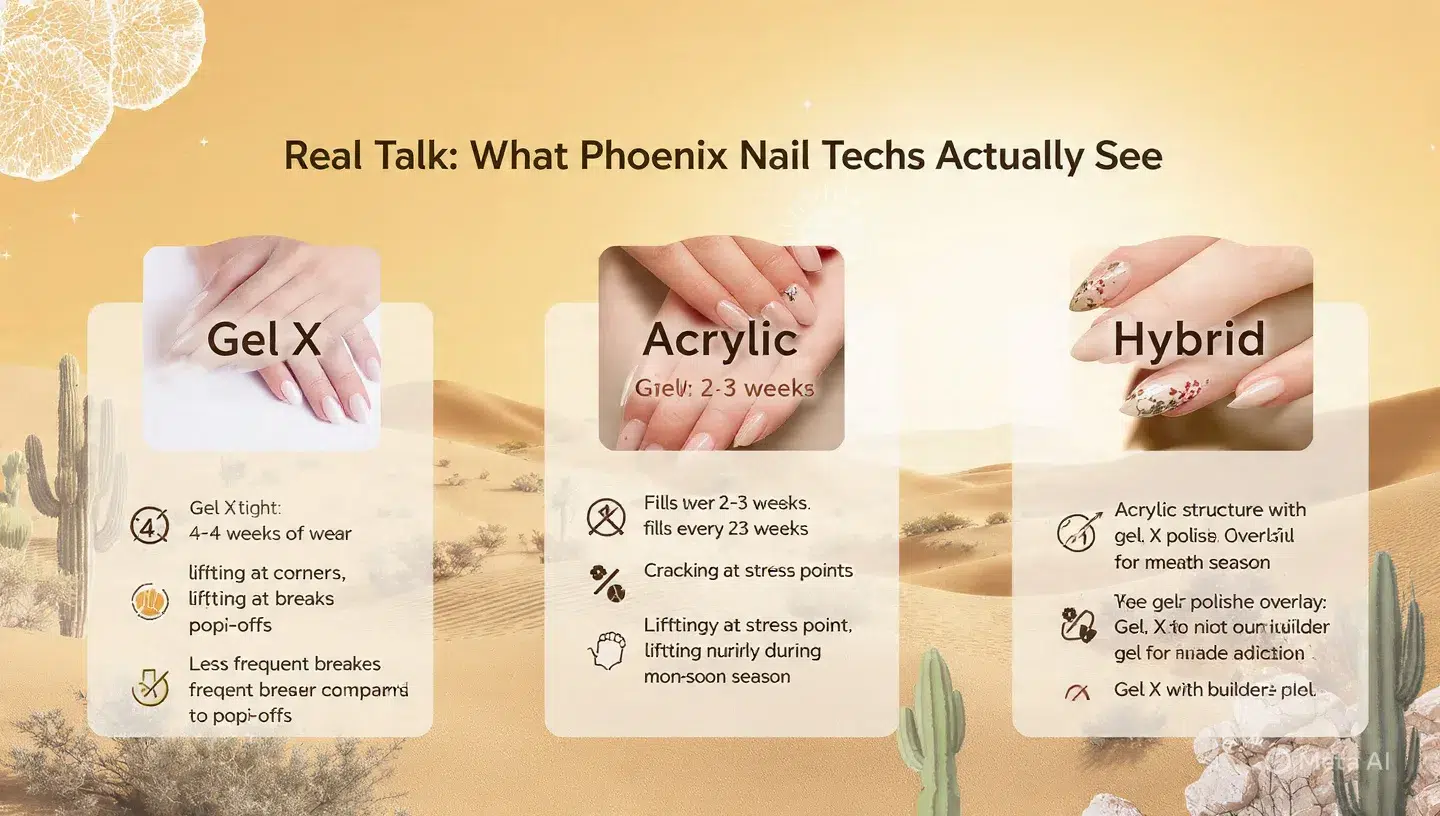
Real Talk: What Phoenix Nail Techs Actually See
After years of working on clients in this climate, patterns emerge:
Gel X clients typically get 3–4 weeks of wear before needing a fill. The most common issue is lifting at the corners—usually preventable with proper prep and oil application between appointments. Breaks are less common than pop-offs.
Acrylic clients come in for fills every 2–3 weeks. The most common issue is cracking, especially at the stress point near the free edge. Lifting happens more during monsoon season.
Hybrid approaches work well here. Some clients get acrylic structure with gel polish overlay—you get durability plus the hydrating benefits of gel. Others use Gel X with a builder gel layer for extra strength.
Maintenance Tips for Either Choice in Phoenix
Regardless of which system you choose, desert living demands extra nail care:
- Cuticle oil, twice daily minimum. Phoenix air pulls moisture from your cuticles constantly. Jojoba-based oils penetrate best. Apply morning and night, and carry a pen applicator in your bag.
- Wear gloves for cleaning. Household cleaners accelerate lifting for both enhancement types. This isn’t optional advice for Phoenix residents—it’s essential.
- Avoid hand sanitizer overuse. Alcohol-based sanitizers dry out everything. When possible, wash with soap instead. If you must use sanitizer, reapply cuticle oil after.
- Stay hydrated internally. Sounds basic, but chronic mild dehydration (common in Phoenix) affects nail health from the inside out. Your nail matrix needs hydration to produce healthy nail cells.
- Don’t skip fills. The gap between your cuticle and the enhancement grows faster in dry climates because lifting starts earlier. Extended wear leads to trapped moisture and potential fungal issues.
Making Your Decision
Choose Gel X if:
- Your natural nails are thin, damaged, or peeling
- You want a more natural look and medium length
- You’re willing to pay slightly more for gentler application/removal
- You spend significant time in air conditioning
- You prefer flexible extensions that move with your nails
Choose Acrylics if:
- You need maximum durability for work or lifestyle reasons
- You want dramatic length or very structured shapes
- Budget is a primary concern
- You swim frequently
- You don’t mind the maintenance schedule
Consider a consultation if:
- You’ve had repeated issues with one system
- You’re new to extensions and unsure of your nail condition
- You want a customized hybrid approach
The Bottom Line for Phoenix Residents
Our dry desert climate genuinely affects nail enhancement performance in ways that matter. Gel X‘s flexibility and gentler formulation make it the better default choice for most Phoenix residents—it handles low humidity better, requires less frequent maintenance, and doesn’t compound the dehydration your nails already experience from desert living.
That said, acrylics remain the right choice for durability-focused clients, especially swimmers and those who work with their hands. The key is understanding the trade-offs and adjusting your maintenance routine for our specific conditions.
If you’re still undecided, come in for a consultation at our downtown Phoenix location. We can assess your natural nail condition, discuss your lifestyle, and recommend the approach that’ll actually work for you—not just what works in more forgiving climates.
Frequently Asked Questions
How long do Gel X nails actually last in Phoenix?
Most clients get 3–4 weeks before needing a fill, though some stretch it to 5 weeks if they’re diligent about cuticle oil and avoiding heavy water exposure. The dry climate can actually help longevity since there’s less ambient moisture to weaken the bond—as long as you’re keeping your nail beds hydrated with oil.
Why do my acrylic nails keep cracking here when they never did in other states?
Phoenix’s humidity regularly drops below 15%, which makes cured acrylic more brittle than it would be in humid climates. The material loses flexibility and becomes glass-like. If you’re committed to acrylics, ask your nail tech to use a slightly more flexible acrylic formula, and apply cuticle oil religiously to keep some moisture in the system.
Can I switch from acrylics to Gel X without a break?
Technically yes, but I’d recommend at least 2–3 weeks of natural nail recovery if your nails are thin or damaged from long-term acrylic wear. Use a nail strengthener and cuticle oil during the break. If your natural nails are in decent shape, you can switch immediately—just make sure the acrylic is fully removed (no filing over old product).
Is dip powder a better option than both for Phoenix’s climate?
Dip powder sits somewhere between Gel X and acrylics in terms of flexibility and durability. It holds up reasonably well in dry conditions and doesn’t require UV curing. However, removal is harsher than Gel X (similar to acrylics), and the layered powder application can look thicker. It’s worth considering if you want durability without the brittleness issues of traditional acrylics.
Do I really need to apply cuticle oil twice a day?
In Phoenix? Yes. In humid climates, once daily or even every other day might be fine. Here, your cuticles and nail beds lose moisture constantly—to the AC, to the outdoor heat, to the dry air. Twice daily is the minimum for maintaining healthy nails under enhancements. Some of my clients apply it 3–4 times and see noticeably better results.
Which option is better if I wash my hands constantly at work?
Frequent handwashing is tough on both systems, but acrylics generally handle it slightly better once fully cured. The bigger issue is the soap—harsh antibacterial soaps dry out your cuticles and nail beds faster. Whichever enhancement you choose, follow up handwashing with cuticle oil when possible, and consider switching to a gentler, moisturizing soap.
Will the extreme summer heat melt my Gel X nails?
They won’t melt, but the gel adhesive does soften in extreme heat. If your car’s been sitting in 115°F sun and you grab a hot steering wheel, you might notice slight flexibility in the tips. The bigger risk is prolonged heat exposure weakening the bond over time. Parking in shade or using a windshield cover helps more than you’d think—for your nails and your sanity.
I’m visiting Phoenix for a week—should I get my nails done before I arrive or here?
Get them done here if possible. Nail techs in Phoenix understand the climate and adjust their application techniques—proper dehydration, appropriate product choices, advice specific to desert conditions. Enhancements applied in humid climates sometimes lift or crack within days of arriving here because they weren’t prepped for the moisture swing.
Popular Posts

July 17, 2026

July 16, 2026
July 06, 2026

July 06, 2026

June 12, 2026
