May 20th, 2026 by Kenny
Every bride wishes to be perfect on her wedding day. That is why she gives concentration to everything from head to toe. If you are a bride-to-be in Phoenix and looking for ideal nail salon for your special day, Element Nail Bar is just by your side.
Due to great service, skilled nail techs, and pretty long-holding nails, this salon is a top spot for brides who want flawless hands. From simple, elegant looks to bold designs, they give care and style to every detail.
Getting nails for your wedding is not just about color and length. It’s about feeling good, being comfy, and satisfaction that your hands will look great in every photo. Element Nail Bar can do it all for you, so a top pick for brides in Phoenix.

Why Brides Choose Element Nail Bar?
Planning a wedding involves many choices, and selecting a nail salon should not add stress. Brides come to Element Nail Bar in Downtown Phoenix for its team of 25 licensed nail technicians, each with more than 5 years of experience. These pros know how to make your nails look great and stay strong through engagement parties, showers, the wedding, and the honeymoon.
Element Nail Bar makes nails that fit any bridal style, whether you want soft, romantic nails or bold, eye-catching designs. Their main services are SNS manicures, Gel X extensions, builder gel, acrylics, and more. Every service uses good products to keep nails healthy and flawless.
Nail Enhancements Perfect for Brides
SNS Manicure
For brides who demand natural, chip-free nails, an SNS manicure is the perfect choice. This method makes natural nails stronger with vitamins and calcium for a finish that lasts through weeks of wedding events. Above all, its feeling is so comfortable and light that it gives a polished look every bride deserves.
Gel X Extensions
If you dream of longer, elegant nails for your wedding, Gel X extensions are fantastic for you. These soft gel tips adhere to your natural nails and cure under LED light for a pure, natural look. Flexible but strong, Gel X nails look pretty without giving you the heavy feel of acrylics. In short, brides in love with length and style blindly select it.
Builder Gel
When you only want to strengthen your nails with minimal extra length, you should choose Builder gel. So, it is best for brides who want stronger, natural-looking nails or small changes. Also, nail biters or anyone with weak nails also prefer it. Simply, builder gel keeps giving your nails strength and a pretty look, and is ready for photos with no acrylic bulk.
Acrylics
For a bride whose priority is durable nails, acrylic nails are a classic choice for her. Pink and White acrylics give the timeless French manicure that looks very beautiful in wedding photos. Color powder full sets also give bright, long-lasting color that stays nice all week of the wedding.
Nail Shapes and Designs to Match Your Wedding Style
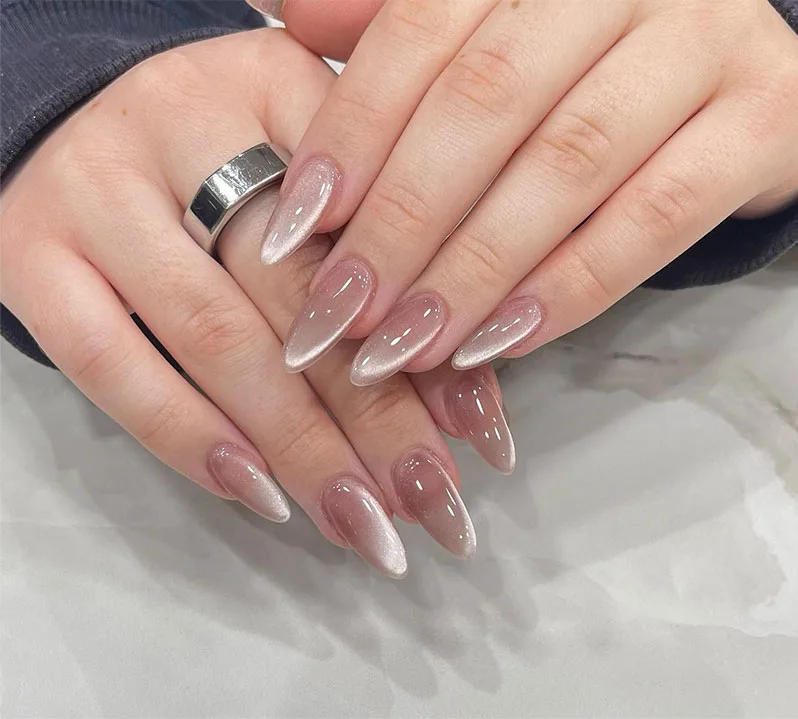
Element Nail Bar offers custom nail shapes and designs to fit any bridal look. Coffin or almond shapes are elegant and trendy, while stiletto nails make a bold statement. Add-ons like chrome, cat eye, or jelly colors can take your bridal look from simple to stunning.
The team works with brides to pick shapes and designs that match the dress, theme, and personal style. They also think about comfort, so nails look good and feel fine for holding bouquets, signing papers, or dancing all night.
Expert Advice for Bridal Nail Planning
Schedule Your Appointment Early
As a bride, you should book at least 2-3 weeks before the wedding. This gives time for changes, final touch-ups, and makes sure nails are perfect on your big day.
Choose the Right Enhancement for Your Lifestyle
- For typeling work and managing delicate tasks, SNS or builder gel is a must.
- For long, real-looking nails, Gel X is the best.
- For removing roughage on your nails, acrylics are ideal.
Keep Up with Maintenance
Every nail service needs some care. Regular fills, careful handling, and cuticle Oil increase the longevity of your nails. Element Nail Bar’s team tells brides how to care for their nails so they stay picture-perfect for a long period.

The Element Nail Bar Experience
What makes Element Nail Bar stand out is the attention to detail and luxury service. From the moment you walk in, you feel like a VIP. The salon keeps things clean, uses high-quality products, and makes sure every bride leaves with nails just the way she wants them.
For both classic elegance and bold, creative designs, the team listens to you carefully, gives helpful advice, and does everything with care. At Element Nail Bar, you will not only get a manicure but also a relaxing, memorable experience.
FAQs
Q: What nail services are best for brides?
A: SNS manicures, Gel X extensions, builder gel, and acrylics are all best for brides. Luckily. Element Nail Bar can do all these procedures perfectly.
Q: How far in advance should I book my bridal nail appointment?
We suggest you book your slot at least 2 to 3 weeks before your wedding to allow time for required adjustments and touch-ups.
Q: How do I choose the right nail enhancement?
For choosing the right nail enhancements, consider the desired strength and length of your nails. Element Nail Bar experts will also guide you to the perfect option according to your daily activities.
Q: Can my nails withstand wedding activities like dancing and bouquet holding?
Of course! Element Nail Bar guarantees that your nails are strong enough to remain flexible and long-lasting for all wedding functions.
Q: Do you offer design add-ons for bridal nails?
Yes! Our collection features cat-eye, chrome, and jelly colors, as well as specific designs that perfectly match your wedding dress and style.
Final Thoughts!
Planning a wedding is not an easy task; it is stressful enough. But what about your nails’ beauty? Element Nail Bar makes the process fun and stress-free. Their skilled techs, a nice salon, and great results ensure you have perfect nails for your wedding day.
Do not sit back and schedule your consultation now to set your bridal nail visit at the leading nail salon in Phoenix. Your hands will be grateful to you, and your wedding photos will show nails that truly are wonderful.
April 28th, 2026 by Kenny
It is nice to know that you are going to invest in Gel X nails in Phoenix, but where can you find the best ones? Do not worry. One of the leading salons here is Element Nail Bar, which has a strong reputation for its luxury services and expert craftsmanship.
This salon offers you the most creative Gel X nail designs in this city. With a mix of comfort, style, and durability, Element Nail Bar is ideal for those who want nails that last long without any damage to their natural nails.
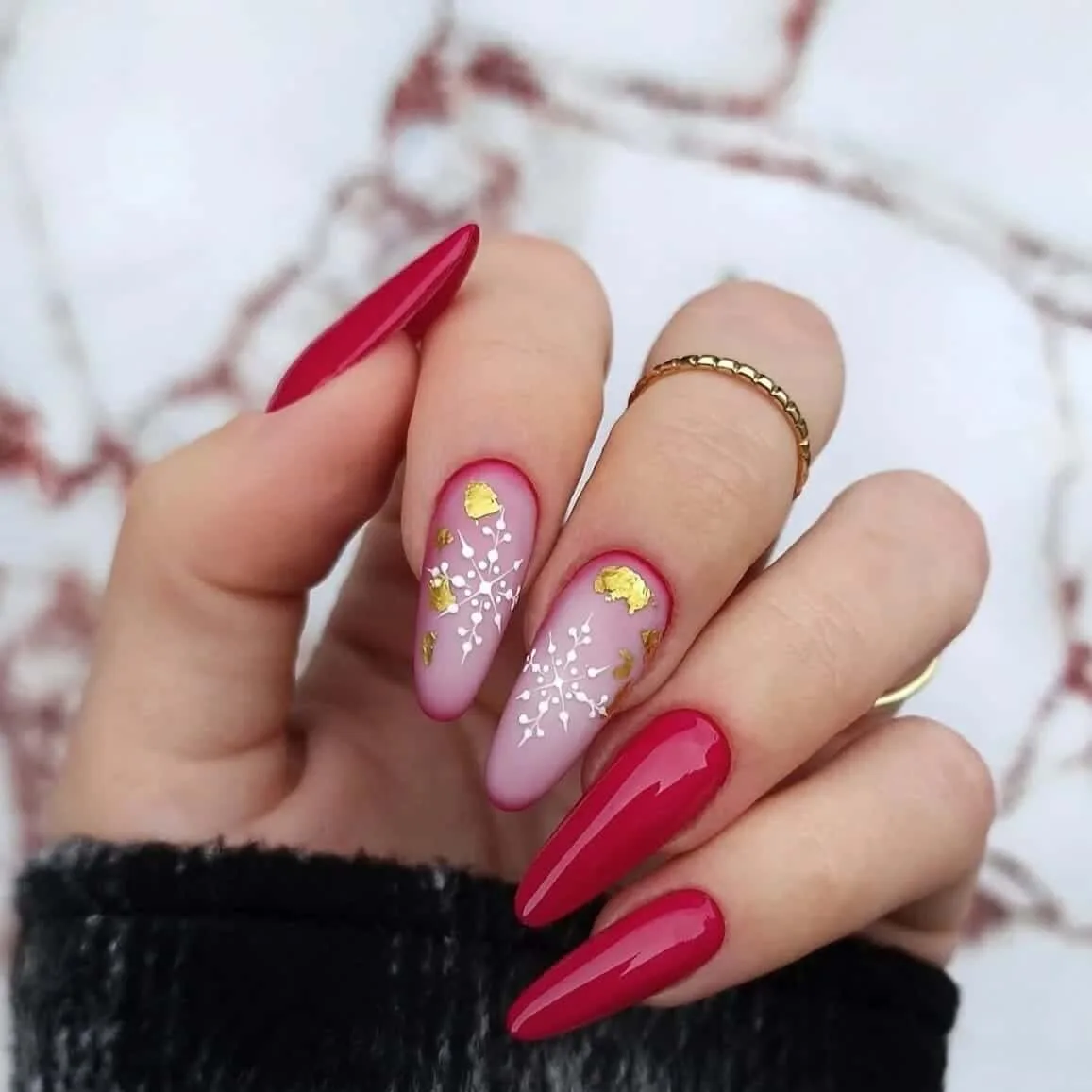
Why Element Nail Bar is Phoenix’s Premier Gel X Nail Salon?
Element Nail Bar is not just a nail spot in Phoenix. It is a place where talent meets class, with custom Gel X nails that look great and feel great too.
What makes Element Nail Bar stand out is the care they provide, the top products they use, and how they protect your nails. Whether you prefer a simple, natural style or a bold, artsy look, this salon shapes every set to meet your specific needs.
Located at 6022 N 16th St in Central Phoenix, this salon offers a hygienic and relaxing space. The positive points of this salon are that the experts here keep things clean and treat customers well, so your visit feels more like a spa day than a regular nail stop. From the second you walk in, you get pro-level care and leave with nails that look flawless and durable.
What Makes Gel X Nails So Special?
Gel X nails are fast becoming the favorite for nail fans in Phoenix, and it makes sense. Compared to traditional acrylics, Gel X nails look and feel more natural but have the same durability. The gel tips are light, so they are more comfortable than other nail extensions. They also don’t damage your real nails, so you can have pretty nails without any harm later.
At Element Nail Bar, the certified Apres Gel-X specialists use only the highest-quality materials and the latest methods. So, be confirmed that every set is stylish and very strong. If your dream is to have classic, clean nails or something creative, Element Nail Bar can turn it into reality.
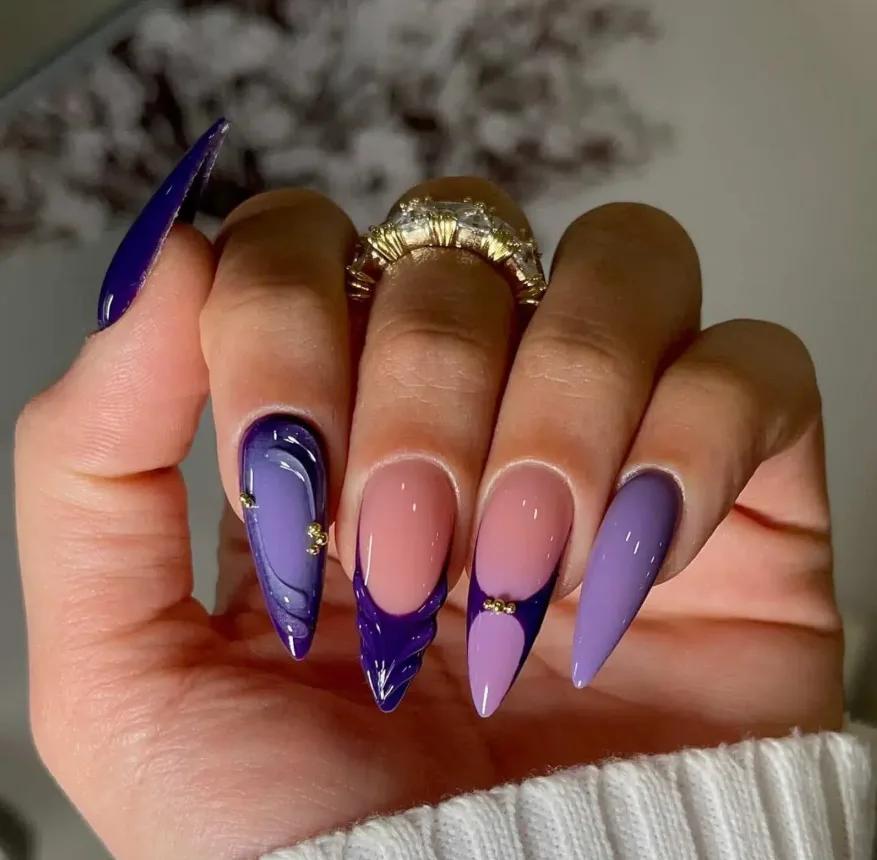
Custom Gel X Nail Designs Tailored to You
One of the impressive aspects of Gel X nails is the availability of unlimited style options.
Do you want to have a simple look with clean lines and soft colors, or a bold design with 3D shapes and chrome shine? So, Element Nail Bar will do it all. They offer many popular nail trends that will definitely boost your look. Some of the requested designs are as follows:
- Chrome Finishes: For a smooth, metal look that causes heads to turn.
- Minimalist Art: Clean, simple designs that say a lot without trying hard.
- Aura Nails: Soft blends and tones that give your nails a light, dreamy glow.
- Vibrant Colors & Patterns: Perfect if you want your nails to stand out.
- Cat-Eye Nails: A magnet-made effect that moves in the light for a mysterious and unforgettable look.
- Jelly Nails: Glossy, see-through nails for a fun and youthful look.
No matter your style, Element Nail Bar makes sure that your Gel X nails match what you like and offers designs that are both unique and long-lasting
Benefits of Gel X Nails at Element Nail Bar?
Many reasons make Element Nail Bar stand out among other Gel X nail salons in Phoenix. The following reasons will clear why clients often come back.
1: Natural Nail Friendly
Gel X nails use soft gel tips that are gentler on your natural nails than other extensions, which can damage them over time. So, you should prefer them if you want strong, tough nails without risk to your nail beds.
2: Feather-Light Feel
Unlike acrylics, Gel X tips are super light. You get the strength you need without the bulky, heavy feel. They suit the people looking for a more comfortable, natural option.
3: Smooth, Fast Application
At Element Nail Bar, the Gel X process goes fast and easy. The skilled technicians ensure your finish is clean, with no bubbles, so you get great results in a short time.
4: Unlimited Style Options
From simple looks to bold, artsy designs, there is no limit to Gel X nails. Element Nail Bar makes sure every design is according to your own style and nail shape.
5: Long-Lasting Durability
The average durability of Gel X nails is up to 3 to 4 weeks, so they are the best if you want low-maintenance nails with no chips or breakage.
Why Choose Element Nail Bar Over Other Salons?
There are other places for Gel X nails in downtown Phoenix, but Element Nail Bar is amazing for its care and quality. The following reasons make them best for your next Gel X set:
- Expert Technicians: The certified Apres Gel-X pros at Element Nail Bar are masters of their work and apply nails with perfection and care.
- Hygiene and Safety: The salon follows hospital-level cleaning rules to keep the space safe and clean for everyone.
- Personal Care: From your first chat to the last top coat, Element Nail Bar puts your comfort and happiness first at each step.
Other Quality Nail Salons in Phoenix
If you cannot go to Element Nail Bar for any reason, here are two other spots to check out. Keep in mind, while they do Gel X nails, they do not quite match the skill and service you get at Element Nail Bar.
1: TAT’S Nails
Known for a warm, friendly vibe, TAT’S Nails gives many nail services, including Gel X. The service is good, but Element Nail Bar’s use of top products and special Gel X methods gives it an edge.
2: Milano Nail Spa
Milano Nail Spa also offers Gel X nails and cares about being clean and safe. But the range of styles and custom work at Element Nail Bar is hard to beat in the area.
Schedule a Consultation!
Ready for Gel X nails in Phoenix?
Do not go with less than the best. Book your consultation with Element Nail Bar now and enjoy the comfort, style, and strength of custom Gel X nails. Whether it is for a big event or you just want to treat yourself, Element Nail Bar has what you need for the perfect set.
FAQs
1: What are Gel X nails?
Gel X nails are a kind of nail extension made with soft gel tips, so they feel light and look natural. Their longevity is the same as acrylic nails, but they do not hurt your real nails.
2: How long do Gel X nails last?
Gel X nails usually stay on 3 to 4 weeks, according to your lifestyle and how well you take care of them.
3: Are Gel X nails safe for my natural nails?
Yes! Gel X nails are much softer on your natural nails than regular acrylics. So, you can choose them as a safe thing for nail extensions.
4: Can I customize my Gel X nails at Element Nail Bar?
Absolutely! Element Nail Bar is big on custom looks. So whether you want something plain or something bold, your nails will be shaped to fit what you like.
April 28th, 2026 by Kenny
Are you looking for the best spa pedicure in Phoenix? Element Nail Bar is the place locals choose for the most comfortable, soothing, and refreshing pedicure in town.
No matter if you need pure relaxation or real foot therapy, Element Nail Bar is the best place for your foot care. With a lot of spa pedicure options, each with different benefits, you will feel cared for and energetic gere. To know more about Element Nail Bar, stay with us and keep reading!
Why Element Nail Bar is the Best Choice for Your Spa Pedicure in Phoenix?
People in Phoenix know Element Nail Bar is not just any salon. It is actually a retreat for self-care, calm, and renewal. As the location of Element Nail Bar is on the 16th Street strip, it is a peaceful and luxurious spot where your comfort and wellness are the priority. Due to premium treatments, expert technicians, and quality products, Element Nail Bar is now the leading choice for spa pedicures in Phoenix.
What makes Element Nail Bar stand out is its use of the best products. From CBD-infused services to organic and luxury spa pedicures, you will get excellent quality that gives a soft and smooth feel to your feet. Now, it is time to know the remarkable pedicure services that make Element Nail Bar the best in Phoenix.
Premium CBD Rejuvenating Spa Pedicure for Relaxation Experience Like No Other
For a pedicure that helps you relax and feel better, too, Element Nail Bar’s CBD Rejuvenating Spa Pedicure is an effective solution. During this 75-minute service, you will be relaxed, aches will subside, and there will be no swelling, so you receive the best care for your feet.
The first step in the CBD Mineral Soak is a warm bath to reduce swelling and soothe tired feet. Then, the application of CBD Botanical Scrub smooths your rough areas, and your feet become neat and clean. After that, it is the task of the CBD Recovery Mask to ease sore muscles and wake up your tired feet, while Jade Stone Therapy uses warm stones to maintain blood flow and melt tension.
The final step is Signature CBD Massage, which uses pure CBD and natural oils to leave your feet feeling fresh.
In addition to these benefits, Element Nail Bar offers extra services, such as calming scents and a warm neck-and-shoulder wrap, to make it even better. Now, you definitely know why locals go to Element Nail Bar for their CBD pedicure.
Organic Spa Pedicure for Natural Beauty and Relaxation
If you like keeping things natural, you should choose the Organic Spa Pedicure at Element Nail Bar. With top-quality organic products from BCL Spa, this 50-minute pedicure offers a refreshing, rejuvenating experience.
You will start with a Himalayan Salt Luxury Soak that softens your rough skin and helps you de-stress. Then the Dead Sea Salt Renewal gently scrubs your feet, leaving them looking refreshed. The Organic Citrus Restoration mask, made with real orange extract, brings life back to your skin with moisture and a healthy glow.
Finally, you will receive a comforting Jade Stone Massage with warm stones to promote relaxation and support your blood flow. In simple words, Element Nail Bar’s organic pedicure is a gentle, natural way for you to get nourished.
Luxury Gold Spa Pedicure for Elegance Meets Care
If you want to treat yourself to a really luxurious pedicure, the Gold Spa Pedicure at Element Nail Bar is the one you must book. This 85-minute service is a combination of 24K gold and skilled nail care for a lavish experience that leaves your feet with a complete glow.
It starts with a Gold Mineral Soak that makes your skin soft and wakes up your tired feet. The Gold Crystal Scrub exfoliates gently, while the 24K Gold Leaf Mask adds antioxidants to restore glow and help your skin look younger. Lastly, the pedicure involves a Jade Stone Therapy and a feel-good Signature Gold Massage that is full of gold-infused oils, so that you have a soft, smooth, and glowing touch in your life
Element Nail Bar’s Gold Spa Pedicure brings such luxury and calm that it becomes your favorite way to pamper yourself.
Jelly Spa Pedicure for Hydration and Comfort
Are you one of those who like a pedicure that feels fresh and adds moisture? Then, the Jelly Spa Pedicure is just for you. With the use of modern jelly spa technology, this 70-minute pedicure gives your feet deep moisture and full-on calm.
At the start of this process, you will get a soothing Jelly Bath Soak made with aloe vera and mint jelly to cool tired feet. The Sugar Crystal Scrub then exfoliates, and the Hydrating Citrus Mask puts moisture back in. Its end is a chill Signature Cooling Massage that uses cool oils and rich creams to leave your feet soft and nourished.
In short, Element Nail Bar’s Jelly Spa Pedicure is a great way to add moisture and comfort in a peaceful environment.
Pearl Spa Pedicure for Classic Radiance for Your Feet
The Pearl Spa Pedicure at Element Nail Bar is a classy service that uses real pearls in every step. This 60-minute pedicure is enough to provide you with bright feet.
First of all, you will have a Pearl Mineral Soak that softens your skin and revives your tired feet. Then, Pearl Crystal Scrub is used for exfoliation with ground pearl powder. Here, all the dirt in your feet washes away. Afterward, the Pearl Essence Mask will give your skin deep moisture, and Warm Towel Therapy will provide relaxation for your feet.
The final step is a Signature Pearl Massage that uses pearl oils to leave your feet shiny and glowing.
Why Element Nail Bar Is the Top Choice for Locals
What makes Element Nail Bar the best place for spa pedicures in Phoenix? The following reasons will justify this question:
Expert Nail Technicians
The highly trained and licensed professionals at Element Nail Bar are always available to provide special care to every client. For getting a basic pedicure or an all-in-one luxury treatment, you will get specific service that will give you comfort and mental satisfaction.
Premium Spa Products
At Element Nail Bar, every spa product, ranging from CBD services to organic and luxe pedicures, is of high quality. You can trust that your selected product will deliver great results for your feet.
Medical-Grade Sanitation
Your health and safety matter the most at Element Nail Bar. They use strict cleaning and sterilization steps so that you have a clean and safe experience at every appointment.
Relaxing Spa Environment
Element Nail Bar is a calm and friendly place where you can unwind and enjoy a unique self-care experience. If you want to be relaxed with a solo treatment or spend time with friends, Element Nail Bar provides you with a comfortable environment.
FAQs
1. What makes Element Nail Bar different from other nail salons in Phoenix?
Element Nail Bar is loved due to its high-end spa pedicures, skilled techs, and top-quality products. They try their best to give you a calm, refreshing visit in a clean, quiet space.
2. How long does a pedicure at Element Nail Bar take?
The duration of pedicures at Element Nail Bar is from 40 to 85 minutes, according to the treatment you select. Whether you want a fast basic pedicure or a full spa treatment, you will get a service that suits your needs in either case.
3. Are the products used at Element Nail Bar safe?
Yes! All the products at Element Nail Bar are of the highest quality, so they are safe and effective for all their treatments, such as CBD-infused, organic, or luxury spa products.
4. Can I walk in for a pedicure at Element Nail Bar?
Yes, Element Nail Bar welcomes both appointments and walk-ins. But to guarantee your preferred time, we suggest you book an appointment in advance.
Schedule a Consultation!
Now, if you are ready to treat yourself to the best spa pedicure in Downtown Phoenix, Element Nail Bar is waiting for you. Book your appointment now and enjoy the relaxation, rejuvenation, and luxury your feet deserve; all in one place.
April 15th, 2026 by Kenny
Quick Answer
Acrylic nails have a lower upfront cost ($45–$75 for a full set in Phoenix), but dip powder often costs less over time ($55–$85 per set) because you need fewer fills. When you calculate annual spending, the difference shrinks significantly—and sometimes flips entirely depending on your maintenance habits. The real question isn’t which service costs less per visit, but which one gives you better value for how you actually live.
Phoenix Pricing at a Glance (2025–2026)
| Service |
Dip Powder |
Acrylic |
Notes |
| Full Set |
$55–$85 |
$45–$75 |
Acrylics cheaper upfront |
| Fill/Maintenance |
$40–$60 |
$30–$50 |
Dip fills less frequent |
| Removal |
$12–$22 |
$18–$28 |
Dip slightly easier to remove |
| Fill Frequency |
Every 3–4 weeks |
Every 2–3 weeks |
Major cost factor |
| Full Set Frequency |
Every 8–12 weeks |
Every 6–10 weeks |
Depends on growth/lifting |
| Average Annual Cost |
$580–$850 |
$620–$910 |
Assuming consistent maintenance |
Prices reflect Phoenix metro averages across independent salons, chains, and downtown locations as of early 2026. High-end salons and complex nail art cost more.
Why Price Comparisons Get Complicated
Most cost comparisons you’ll find online just list the service prices and call it a day. That’s not how nail expenses actually work.
Here’s what those articles miss: the fill schedule difference changes everything. Acrylics need fills every 2–3 weeks because the rigid product lifts and grows out visibly faster. Dip powder typically lasts 3–4 weeks between appointments. Over a year, that’s potentially 6–8 fewer salon visits with dip—which adds up fast.
Let’s do the real math for a Phoenix client:
Acrylic Annual Estimate:
- 4 full sets per year: $55 × 4 = $220
- 14 fills per year (every 2.5 weeks): $40 × 14 = $560
- 2 removals: $22 × 2 = $44
- Total: ~$824/year
Dip Powder Annual Estimate:
- 4 full sets per year: $70 × 4 = $280
- 10 fills per year (every 3.5 weeks): $50 × 10 = $500
- 2 removals: $17 × 2 = $34
- Total: ~$814/year
Almost identical. The per-service price difference gets eaten up by frequency.
What Actually Drives Pricing in Phoenix
Phoenix has a pretty wide range of nail pricing, and understanding why helps you make smarter choices.
Location Within the Metro
Downtown Phoenix salons (think Roosevelt Row, Central Ave corridor) typically charge 10–20% more than suburban locations in Gilbert, Chandler, or Glendale. You’re paying for convenience, walkability, and often higher-skilled technicians who command premium rates.
Scottsdale—especially Old Town and the Kierland area—runs highest. A dip powder set that costs $65 in Tempe might be $90 in North Scottsdale. Same service, different zip code economics.

Salon Type Matters More Than You’d Think
Chain salons (the ones in strip malls with walk-in availability): Cheapest prices, fastest turnover. A $40 acrylic set sounds great until you’re back in two weeks with lifting because the tech rushed through prep. These places make money on volume, not retention.
Mid-range independent salons: Usually the sweet spot for value. Prices reflect actual time spent, techs have more experience, and the work tends to last longer. Most charge $55–$75 for acrylics, $65–$85 for dip.
High-end/boutique salons: You’re paying for ambiance, premium products, and highly trained specialists. Expect $90+ for basic services. Worth it for some clients, overkill for others.
The “Cheap Acrylic” Trap
Here’s something Phoenix residents learn the hard way: that $35 acrylic set at the discount salon often costs more long-term.
Why? Rushed application means poor adhesion. Poor adhesion means lifting within a week. Lifting means either paying for an early fill or risking moisture getting trapped (hello, fungal infections). Some clients end up doing fills every 10–14 days instead of the normal 2–3 week schedule—doubling their annual fill costs.
I’ve seen clients switch from budget salons to quality mid-range salons and actually spend less annually because their nails last properly.
Phoenix Climate: The Hidden Cost Factor
Our desert climate affects both dip and acrylic differently, and that impacts your real-world costs.
Acrylics in dry conditions become more brittle. Cracks and breaks mean emergency repairs or early full sets. If you’re cracking a nail every month or two, add $18–$30 per repair to your annual budget. Some clients spend an extra $120–$250/year just on acrylic repairs.
Dip powder handles low humidity slightly better—the layered application creates more flexibility than solid acrylic. Fewer emergency repairs, more predictable costs. But dip can chip at the edges in extreme dry conditions if not sealed properly.
The monsoon season (July–September) creates problems for both: humidity spikes cause lifting regardless of product type. Budget for at least one “monsoon repair” visit if you’re maintaining enhancements through summer.
Breaking Down the Real Cost Differences
Initial Application
Acrylics win on first-visit pricing, usually by $10–$20. If you just need nails for a single event and plan to remove them after, acrylics make more financial sense.
But here’s the thing—most people aren’t doing one-time sets. If you’re planning to maintain your nails ongoing, that initial savings becomes irrelevant within a few months.
Maintenance Costs
This is where dip powder starts gaining ground.
Dip fills are priced higher per visit ($40–$60 vs. $30–$50), but you need fewer of them. The product adheres differently and grows out less noticeably. Most dip clients can push to 4 weeks between fills without visible regrowth being an issue. Try that with acrylics and you’ll have a visible gap that looks obviously grown out.
Removal Costs
Dip powder removal runs slightly cheaper ($12–$22 vs. $18–$28) because it soaks off faster. Acrylic removal often requires more filing, more acetone time, and more tech labor.
If you’re someone who takes breaks between sets—maybe you go natural for a month in winter—those removal costs add up. Four removals per year is $48–$88 for dip versus $72–$112 for acrylic.
Repair Costs
Acrylic repairs are cheaper per fix ($10–$18) but needed more often due to cracking. Dip repairs cost slightly more ($12–$22) but the product chips less frequently.
Honestly, if you’re repairing nails regularly with either product, something’s wrong with the application or your maintenance routine. Well-done nails shouldn’t need constant repairs.
When Acrylics Are the Better Financial Choice
Despite my general lean toward dip for value, acrylics make more sense in specific situations:
You want dramatic length. Long stiletto, coffin, or almond shapes require structural strength that dip can’t provide. Dip powder works best on shorter, natural-looking lengths. If you’re going long, acrylic’s the only real option—so the cost comparison becomes irrelevant.
You’re hard on your hands. Manual work, frequent heavy lifting, or jobs involving constant hand use—acrylics handle abuse better. You might need more fills, but you won’t be replacing popped-off tips constantly.
Budget is truly tight short-term. If you can only spend $50 today, acrylics get you out the door with a full set. Dip might be better long-term value, but that doesn’t help if you need nails for a job interview tomorrow.
You’re a frequent swimmer. Acrylics handle chlorine exposure slightly better than dip. Phoenix pool culture being what it is, this matters for a lot of residents.

When Dip Powder Saves You Money
You prefer shorter, natural-looking nails. Dip excels at overlay styles on natural nails or short extensions. Less product used means lower costs and faster application.
Your schedule is chaotic. If getting to the salon every 2–3 weeks is a struggle, dip’s 3–4 week maintenance window gives you flexibility. Missing an acrylic fill by even a week creates visible problems; dip is more forgiving.
You have thin or damaged natural nails. Acrylic removal is harsher. Over time, the monomer and filing can thin your nails further—eventually requiring nail recovery treatments that add to your costs. Dip removal is gentler.
You’re sensitive to fumes. Acrylic monomer has a strong chemical smell that bothers some people. Dip powder application is virtually odorless. Not a cost factor directly, but avoiding a product that gives you headaches is its own value.

Hidden Costs Nobody Talks About
Nail Damage Recovery
If you’ve been getting cheap acrylics that damaged your natural nails, you might need to budget for recovery treatments before switching to any enhancement. Keratin treatments, nail strengtheners, professional-grade cuticle care—these run $25–$60 and might be needed for several weeks.
Cuticle Oil (Non-Negotiable in Phoenix)
Whatever enhancement you choose, budget $10–$18 monthly for quality cuticle oil. In our dry climate, skipping this leads to lifting, cracking, and premature fills. It’s a small cost that prevents bigger ones.
Transportation and Time
This sounds obvious but people overlook it: if your cheap salon is 30 minutes away and your quality salon is 5 minutes away, the gas and time add up. A $40 fill plus an hour of driving costs more than a $50 fill down the street when you factor in your time.
Tip Expectations
Standard tip is 18–20% on nail services. On a $70 dip set, that’s $13–$14. On a $50 acrylic set, it’s $9–$10. Those $4–5 differences per visit add another $60–$90 to your annual nail budget depending on frequency.
Price Ranges by Phoenix Area (2026)
Here’s what you’ll typically find across different parts of the metro:
| Area |
Acrylic Full Set |
Dip Full Set |
Fill Range |
| Downtown Phoenix |
$55–$75 |
$65–$85 |
$35–$55 |
| Tempe/ASU Area |
$45–$65 |
$55–$75 |
$30–$50 |
| Scottsdale |
$65–$95 |
$75–$110 |
$45–$65 |
| Gilbert/Chandler |
$45–$60 |
$55–$70 |
$28–$45 |
| Glendale/Peoria |
$40–$55 |
$50–$65 |
$25–$40 |
| Mesa |
$42–$60 |
$52–$72 |
$28–$45 |
These are averages for standard services at mid-range salons. Basic shapes, single colors, no nail art.
How to Get the Best Value (Not Just the Lowest Price)
Book fills on time. Waiting too long between fills leads to lifting, which leads to damage, which leads to needing full sets more often. Staying on schedule actually saves money.
Be realistic about length. Longer nails cost more initially and require more product at fills. If you don’t genuinely need long nails, shorter sets save money with both dip and acrylic.
Ask about package deals. Some salons offer fill packages (buy 5, get one discounted) or membership programs. If you’re committing to regular maintenance anyway, these deals add up.
Don’t chase coupons. That Groupon for $30 acrylics at an unfamiliar salon? It’s priced that way for a reason. You’ll either get rushed work that fails early, or they’ll upsell you to the “premium” service that costs normal prices anyway.
Find a tech you trust and stick with them. Consistency matters. A tech who knows your nail history, your preferences, and your maintenance habits will do better work than someone seeing you for the first time. Better work = longer wear = fewer visits = lower annual costs.
The Bottom Line on Cost
For most Phoenix residents maintaining nails year-round:
- Acrylic and dip powder cost roughly the same annually when you factor in fill frequency
- Acrylics have lower per-visit costs but need more frequent visits
- Dip powder has higher per-visit costs but needs fewer visits
- Quality of application matters more than product choice for long-term value
- Phoenix’s dry climate creates more acrylic repairs, slightly favoring dip for cost-conscious clients
The “cheaper” option depends entirely on your specific habits, lifestyle, and how long you plan to maintain your nails.

Best Value for Both Services in Phoenix
If you’re looking for quality dip powder or acrylic nails at fair prices in the Phoenix area, Nail Salon Downtown Phoenix offers some of the most competitive rates in the downtown area for both services—without sacrificing the quality that makes your nails actually last.
Their technicians understand the specific challenges of Phoenix’s dry climate and adjust their application techniques accordingly, which means fewer emergency repairs and fills that actually hold until your next scheduled appointment. Whether you prefer the flexibility of dip powder or the durability of acrylics, you’ll get honest pricing and work that doesn’t cut corners.
Located in the heart of downtown Phoenix, it’s convenient for anyone working or living in the central corridor. No surprise upcharges, no pressure to add services you don’t need—just straightforward, professional nail care at prices that make sense for regular maintenance.
Book your appointment and see why they’ve become a go-to spot for Phoenix residents who want quality nails without overpaying.
Frequently Asked Questions
Is dip powder actually healthier than acrylic for my nails?
Not inherently. Both can be healthy or damaging depending on application and removal technique. The myth that dip is “healthier” came from marketing. What matters more is whether your tech preps properly, applies appropriate thickness, and removes without excessive drilling. That said, dip removal is gentler in practice, so long-term damage tends to be less severe.
Why is the same service $25 more at some Phoenix salons?
Location, product quality, and tech experience. A salon using premium dip powders (like SNS or Revel) pays more for product than one using generic wholesale powder. Experienced techs charge more because their work lasts longer. Downtown rents are higher than suburban strip mall rents. You’re not always paying for better service, but often you are.
Can I switch from acrylic to dip without removing everything?
No. You’ll need a full removal before switching systems. Dip powder won’t adhere properly over acrylic, and the removal processes are different enough that layering causes problems. Budget for a removal fee when switching.
How much should I tip on nail services?
18–20% is standard in Phoenix for good service. If your tech went above and beyond—fixed a problem from a previous salon, accommodated a last-minute appointment, spent extra time on details—20–25% is appropriate. Tipping on the pre-discount price is the classy move if you used a coupon.
Do prices go up during busy seasons?
Most Phoenix salons don’t do surge pricing, but availability gets tight before prom season (April–May), major holidays, and wedding season (October–November and February–March). Some salons charge rush fees for last-minute bookings during these periods. Planning ahead saves both money and stress.
Is it worth driving to a cheaper salon farther away?
Rarely. If you’re saving $15 but spending 45 minutes extra in the car plus gas money, you’re not actually ahead. The exception: if the cheaper salon does significantly better work that lasts longer, the drive might make sense. Otherwise, find quality close to home.
August 29th, 2025 by admin
Bold and bright nail art is a fun way to express personality and show off style. From neon shades to glitter, geometric shapes, ombre, floral patterns, and more, nails can be little canvases for creativity. Learn about multiple standout designs, tips for mixing colors, and how to pick styles that work with everything, so fashionistas always have nails that wow.
Nails are more than just nails; they are little statements. Bold and bright designs just scream confidence. It is that thing that makes hands look alive, even when doing the simplest gestures. When nails pop with color, it feels like the whole mood of the day changes. People notice, and it is fun to see reactions.
Bright, Fun Nail Art Designs for Women Who Like to Be Noticed
Curious to know what are some good designs for nails? There are so many fun options to try. It can feel a little overwhelming, but that’s the fun part. The ideas below can help you get started. Read them till the end.
- Vibrant Ombre Nails
Ombre is cool because it is kind of messy, but still looks amazing. Mix two or three bright colors, maybe a hot pink fading into orange or blue, blending into purple. No need for perfection, a little unevenness actually makes it look artsy. Ombre nails suit almost any nail length and are fun to play around with.
- Glitter Explosion
Glitter just never gets old. Either cover all nails or just do one sparkly accent, and suddenly, nails are a whole vibe. Big chunky glitter, fine sparkles, mix it all. Sometimes glitter spreads a bit beyond the nail, and it is okay, makes it look spontaneous. It is fun and flashy and just works.
- Geometric Fun
Triangles, lines, odd shapes—these nails are artsy but bold. Bright colors like lime green, fuchsia, and yellow on a plain background make shapes stand out. No need to be exact, a little uneven line adds character. Geometric nails are for those who like edgy and playful at the same time.
- Neon French Tips
French tips get a new life when swapped with neon colors. Electric blue, sunny yellow, or hot pink tips are just so lively. It is elegant in a way, but still screams personality. Easy to do and looks good with casual and dressy outfits.
- Floral Pop
Mini flowers, leaves, or petals in bold colors are perfect for a cheerful look. Reds, oranges, turquoise—mix them freely. It might not be perfect, petals a little off or colors blending strangely, but it still works. Adds a summery, happy feel to nails.
- Stripes and Polka Dots
Stripes or dots are simple but lively. Multi-colored dots on one nail, diagonal stripes on another. Messy lines sometimes make it look even cooler. These designs are playful without needing to overthink.
- What Nail Design Goes with Everything?
If nails need to match everything, soft neon tips, tiny dots, or neutral base with small patterns work best. Subtle glitter also helps. Something that is noticeable but not overpowering is perfect.
Parting Thoughts!
Nails are just nails, but also kind of fun little experiments. Slap on a color here, a touch of glitter there, maybe a squiggly line or a dot that is not perfect, and just go with it. Some nails will turn out okay, some a little weird, but who cares? It is all about messing around, having a laugh, and seeing what happens.
August 27th, 2025 by admin
Traveling with Gel X nails can be tricky if care is ignored. This blog gives simple, practical tips to keep them looking fresh while on the go. From packing the right tools to avoiding damage, discover how to protect nails during flights, road trips, or vacations.
Vacations are meant for having fun, taking pics, and just doing nothing sometimes. But chipped nails or ones that start lifting can be such a pain. Gel X nails look cute and fancy, but traveling can wreck them if you don’t pay attention. Doing a few tiny things before and during the trip can actually keep nails from breaking or looking beat up, even when the travel gets a bit all over the place.
Tips for Keeping Gel X Nails Strong and Gorgeous While Traveling
- Pack a Mini Nail Kit
A tiny nail kit can be a lifesaver. Things like a small buffer, cuticle oil, a tiny file, even a mini topcoat can make a huge difference. Nails can chip, edges peel, or get rough, and having tools ready stops a small problem from turning into a bigger one. Even just a quick buff or topcoat on the go can make them look almost new again.
- Moisturize On the Go
Airplanes, hotels, hot or dry places, all that stuff can suck moisture out of nails and skin. Gel X nails start looking brittle if the cuticles get dry. Carrying a small cuticle oil or hand cream and using it often keeps them glossy and strong.
Some people wonder what is gel x for nails. Gel x nails are basically a type of nail extension that makes nails longer and stronger, but still looks natural. Perfect for travel, actually, since they survive a lot more than plain polish.
- Be Mindful of Activities
Sightseeing, adventure trips, or even beach fun can mess with nails if not careful. Opening bottles, digging in sand, or packing heavy bags can put pressure on nails. Doing stuff slower and more carefully helps avoid accidents. Gel X nails are strong, but they are not indestructible.
- Protect While Packing and Unpacking
Packing is trickier than it looks. Zippers, tight suitcases, or pulling clothes can snag nails. Keep your hands on top when shoving things in and avoid jamming fingers in tightly packed spots. Same when unpacking. Little care here saves lots of annoyance later.
- Plan for Longevity
If wondering how long do gel x nails last, usually two to three weeks with proper care before a refill or touch-up is needed. Moisturizing, avoiding knocks, and touching up little chips keeps them going through the whole trip.
- Carry Protective Gear
For longer trips, gloves for cold weather or sunscreen for hands are not just for skin. Nails get sunburned or chipped, too, kinda. A little protection can make them survive everything you throw at them.
- Pack Smart and Relax
At the end of the day, nails are part of the fun, not stress. A mini kit, a bit of care, and paying attention keep Gel X nails looking perfect. Travel should be fun, and flawless nails just make it sweeter.
In a Nutshell!
Traveling with Gel X nails does not have to be stressful. A little care, some mini tools, and paying attention to small stuff keep nails looking good. Just take it easy, be a bit careful, and your nails can stay flawless no matter where the trip goes.
August 26th, 2025 by admin
Playing with SNS nail colors is all about having fun and getting creative. Try different shades, throw in some sparkle, mix textures, and make a manicure that really feels like you.
If you have ever stared at your nail polish shelf thinking, “I want something different today,” you are not alone. SNS nail colors give you so many options, it can feel overwhelming. But that is the fun part. Mixing and matching isn’t just about slapping two colors together. It is about creating a vibe, something that feels like you.
Tips and Tricks to Pair SNS Nail Colors Like a Pro
- Picking Your Base Color
Start simple. Choose a base color that you love and that feels right for your mood. It could be soft pink, nude, or something more daring like deep red. People often wonder what nail color is most classy. Shades like nude, soft beige, or muted reds never go wrong. They set the tone for everything else you layer on top.
- Adding a Pop
Once your base is ready, think about contrast. Bright yellows, soft blues, or metallics can pop against a muted base. You don’t need to overthink it. Sometimes a tiny accent nail is all you need to make a statement.
- Patterns and Texture
SNS nail colors are versatile. You can create ombre effects, color blocks, or even little geometric shapes. Mixing matte and glossy finishes adds depth too. A simple swipe of glitter or shimmer on one nail can totally change the look.
- Seasonal Inspiration
Colors change with the seasons. Spring brings soft pastels. Summer? Think bright and bold. Fall is deeper tones. Winter calls for dark, moody hues. And speaking of trends, have you noticed what the most popular nail color now is? Right now, warm caramel shades and muted mauves are everywhere.
- Layering and Experimenting
Don’t be afraid to layer. A translucent SNS powder over a bright color can soften it. Or add some fine glitter for sparkle. You can even mix SNS colors in one bottle if you are feeling brave.
- Balancing Bold Choices
If one nail is wild, keep the others simple. Balance is key. A single statement nail looks intentional. Too many bold colors at once can feel chaotic.
- Knowing the Drawbacks
SNS nails are amazing, but they have their negatives, too. They can sometimes be thick, hard to remove, and may weaken nails if not done carefully. But knowing these makes mixing and matching safer and smarter.
- Picking Colors That Compliment
SNS nail colors come in endless shades. Warm tones go well with warm skin. Cool tones pop on cooler skin. Sometimes a simple nude with a metallic tip looks way more stylish than all-out bright nails.
- Fun With OccasionsThink about where you will be showing off your nails. Work, parties, or a casual brunch. SNS colors allow you to switch between classy, subtle shades and playful, loud ones without committing to one forever.
Final Thoughts
Looking to switch up your nails and try something fun? We’re all about mixing and matching SNS nail colors to create a look that’s totally your vibe. Stop by our Downtown Phoenix salon and let’s make your manicure pop.
